Beyond the Impact: A Survival Guide to Managing Life After a Sudden Crash
A sudden collision on a busy highway can change the course of your day—or even your life—in mere seconds. Whether it’s a minor fender bender or a more severe crash, knowing what steps to take immediately afterward can make a significant difference in your safety, well-being, and ability to navigate the aftermath effectively. Understanding these steps empowers you to protect yourself and others, even while under stress.
Immediate Actions to Take at the Scene
The moments following a collision on a congested highway are critical. Your first priority should always be safety. If you are able, move your vehicle to the shoulder or a safe area away from the flow of traffic. Turn on hazard lights to alert other drivers and reduce the risk of a secondary accident. Check yourself and passengers for injuries, and avoid moving anyone who appears seriously hurt unless there is an immediate danger, such as fire.
If injuries are present or the vehicles cannot be moved, call emergency services right away. Even if the accident seems minor, it’s often advisable to notify the police so there is an official record. These immediate actions help create a safer environment and lay the groundwork for any subsequent steps, including contacting a car accident lawyer rockland if legal guidance becomes necessary.
Gathering Evidence and Exchanging Information
Once everyone is safe and emergency services have been contacted, begin collecting crucial information. Exchange names, contact details, driver’s license numbers, and insurance information with the other parties involved. Take clear photos of all vehicles, the surrounding scene, any visible injuries, and relevant traffic signs or signals. Documenting these details can be invaluable for insurance claims and potential legal processes.
If there are witnesses, politely ask for their contact information and a brief account of what they saw. Their statements may support your version of events if disputes arise later. Avoid admitting fault or making statements that could be interpreted as accepting blame, as liability is often determined by investigators and insurance adjusters.
Navigating Busy Highways: Special Considerations
Collisions on highways present unique dangers compared to those on local roads. High speeds, heavy traffic, and limited shoulder space increase risks for everyone on the scene. Remain inside your vehicle with seatbelts fastened if it’s unsafe to exit, such as in the middle of fast-moving lanes. Only leave your vehicle if you are certain it can be done safely.
Keep a checklist in mind to stay organized:
- Move to safety if possible
- Activate hazard lights
- Call emergency services
- Exchange information and document the scene
- Stay alert to surrounding traffic
- Cooperate with authorities upon arrival
These steps help minimize additional hazards and ensure that you have the information needed for the aftermath.
Addressing Injuries and Seeking Medical Attention
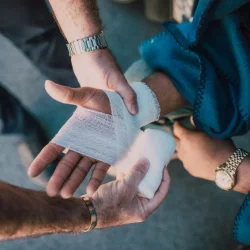
Not all injuries are immediately apparent after a collision. Adrenaline and shock can mask pain or discomfort. It’s essential to seek medical evaluation as soon as possible, even if you feel fine at first. Prompt medical attention not only protects your health but also creates documentation for any future insurance or legal matters.
Keep all records of medical visits, treatments, and recommendations from healthcare providers. These documents will be important if you need to demonstrate the extent of your injuries or seek compensation.
If you were riding a motorcycle and involved in a crash, consulting a motorcycle accident advocate rockland county can help you understand your specific rights and options, as motorcycle collisions can involve unique legal considerations.
Filing Insurance Claims and Understanding Your Coverage
After ensuring safety and medical care, it’s time to notify your insurance company about the accident. Most insurers require prompt reporting, even if you are not at fault. Provide all collected evidence, official reports, and medical records to support your claim.
Understand the coverage provided by your policy, including what is covered under liability, collision, and uninsured motorist provisions. Be prepared for possible delays or requests for additional information, and keep detailed notes of all communications with your insurer.
If the other driver is uninsured or underinsured, your own policy may offer some protection. Review your policy carefully or consult with professionals to clarify any uncertainties.
Legal Rights and Responsibilities
Understanding your legal obligations is essential after a collision. In most jurisdictions, you must stop, provide assistance, and exchange information with the other parties involved. Failing to do so can result in penalties or criminal charges.
If liability is disputed or if the accident led to significant injuries, consulting with a legal professional can clarify your rights and next steps. Legal advisors can help interpret accident reports, negotiate with insurance companies, and represent your interests in any disputes. Document everything and retain all relevant paperwork for reference.
Conclusion
Managing life after a sudden crash on a busy highway involves more than just responding in the moment. From ensuring immediate safety and collecting evidence, to seeking medical care and understanding your legal options, each step plays a crucial role in recovery and resolution. Emotional health is just as important as physical recovery, and support is available from both professionals and personal networks. Whether you are dealing with insurance claims, medical recovery, or legal questions, knowing the right actions to take can help you regain control and move forward after a collision. For those involved in motorcycle incidents or facing complex legal challenges, seeking specialized advice can provide added clarity and security in navigating the aftermath.
More to Read:




Previous Posts: